The Patterns You See in Slots Aren’t Really There

Why does it feel like slots run hot and cold? Near misses, streaks, and “hot machines” are perception effects worth understanding, not signals. The pattern lives in the player, not the game. Knowing that is the cheapest edge available because it protects you from expensive decisions based on false information. Every Slot player experiences these feelings. The experienced ones recognize them as cognitive distortions, not game behavior.
The Pattern Your Brain Is Built to See
Human brains are prediction machines. We scan for patterns because patterns used to be the difference between survival and death. See the pattern in animal behavior and you predict its next move. See the pattern in weather and you prepare.
That same brain is now in a casino watching symbols spin. The pattern seeking drive is still active. So when you see a close miss, your brain reads it as the game being close to paying. When you see three losses in a row, your brain reads it as a streak that will end.
None of that is real information. But it feels real.
The Near Miss Illusion
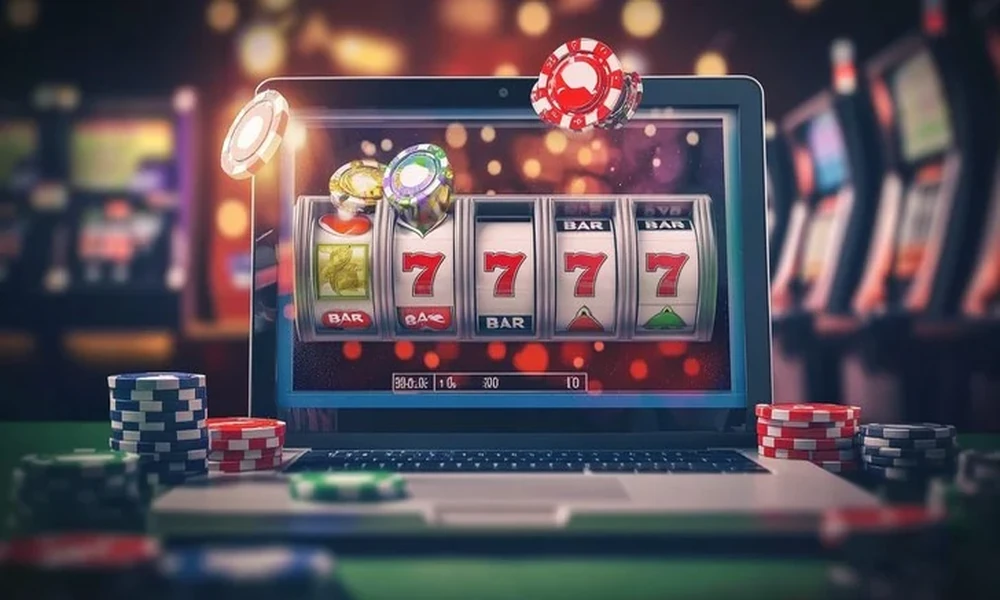
You spin and get two matching symbols with one non-matching symbol in between. Almost a win. Your brain registers “almost” and assumes “next time.”
The game doesn’t think in almost. It only thinks in matching and not matching. Two out of three symbols is zero out of three in terms of game logic. There’s no “closer to winning” in random generation. You either match or you don’t.
The near miss feels meaningful because your brain is looking for meaning. The game never meant anything by it. It was just three random symbols, two of which happened to match.
The Streaks That Aren’t Really Streaks
You get five losses in a row. Your brain notes a streak. A pattern. Something might be changing. The game feels cold. Possibly hot games get cold and cold games get hot, so maybe a win is coming.
Five losses is statistically normal. Flip a coin ten times and odds are you’ll see at least three in a row the same direction. But the sequence has emotional weight, so your brain treats it as information.
It’s not. It’s just randomness being random, which looks streaky up close because that’s how randomness works.
How Confirmation Bias Locks In the Beliefs
Once you believe a machine is hot, you notice its wins and ignore its losses. Once you believe near misses matter, every close call feels like confirmation that a win is coming.
This is confirmation bias. You’re filtering reality through a belief, not updating the belief based on reality. The machine stayed equally fair. Your perception changed.
The Questions Players Ask Most
Is there such a thing as a hot slot? No. Each spin is independent.
Do near misses predict wins?
No. They’re only meaningful if you wanted them to be.
Can I feel a machine getting ready to pay?
No. The game has no preparation state.
The Defense Against Pattern Illusions
Knowing the illusions exist is half the defense. The other half is decision making that happens before the session, when patterns can’t influence you.
If you decide your session length in advance, a perceived hot streak won’t extend it. If you decide your betting amount beforehand, near misses won’t change it. If you have stopping points set, the feeling of a cold machine won’t push you to chase.
Your session plan is the defense against your own perception.
Every experienced player sees the patterns. The difference is they don’t trust them. They know the patterns are self generated. A Slot game has no agenda. It has no heat and no cold. It just generates outcomes.
Your job is recognizing when your brain is generating information that the game never provided. Once you can spot that difference, the patterns lose their power.